
 Sponsored
Ammo Deals and How to Compare Ammo Prices
Updated October 18, 2026

Ammo prices move faster than gun prices, and the listings are harder to compare. A case, a bulk pack, and a small box can all be the same caliber and still be different products. The fair number is price per round, and only when the listing prints a round count. The price-per-round guide is that math. This page is about which ammo deals are even worth dividing.
Live ammo deals
 Great
Ammo
 Great
Ammo
 Great
Ammo
 Great
Ammo
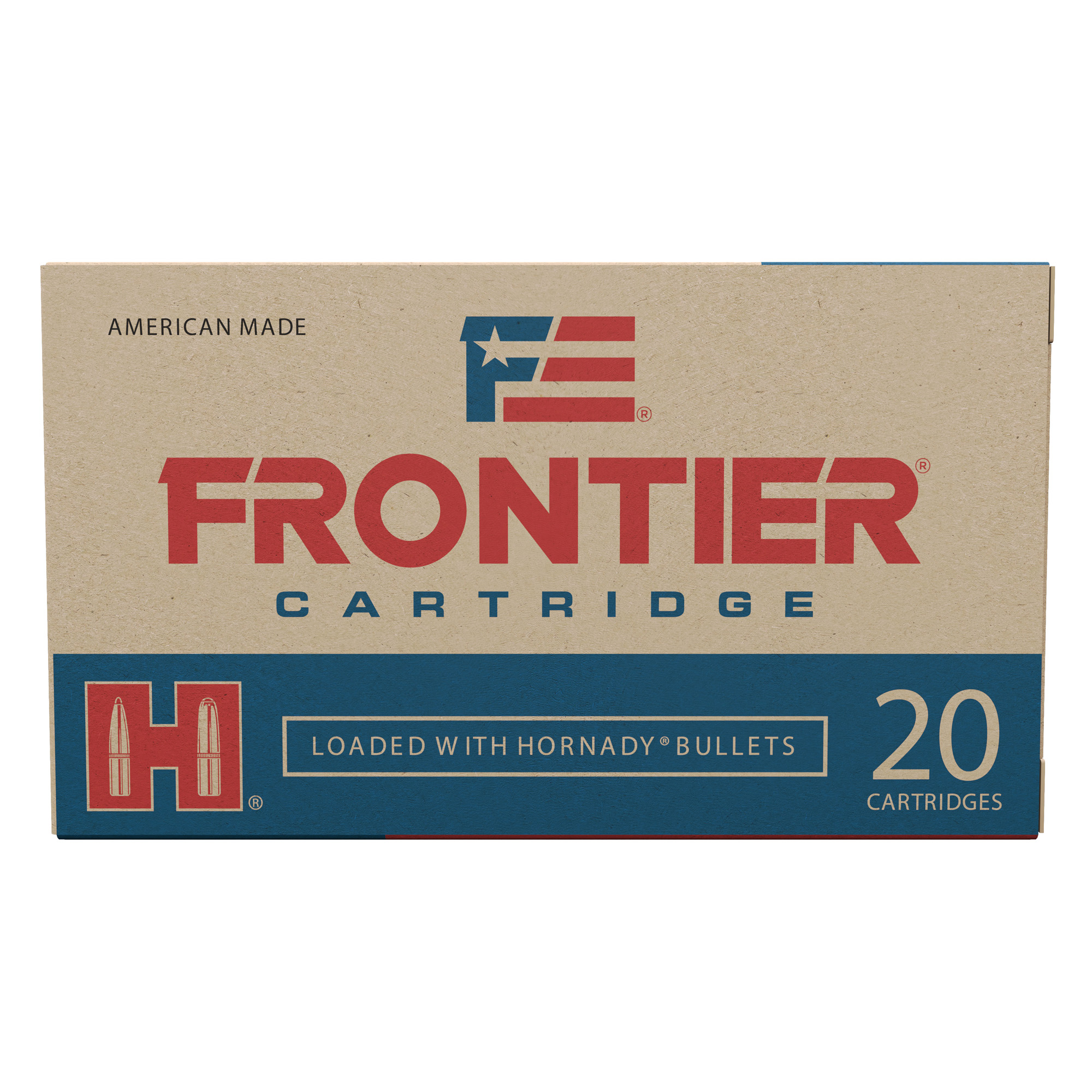
HORNADY 300 Blackout 208Gr FMJ Subsonic Frontier Ammo 20rd
$15.99
$25.99
38% off
$0.80 / round
.300 BLK
Get Deal
 Great
Ammo
 Great
Ammo
Start with the caliber the gun actually fires. Then match the bullet. Range FMJ, a hunting soft point, and a defensive hollow point do not belong in one ranking. Brass, steel, and aluminum do not either. A low price on steel-case practice ammo is a real ammo deal against other steel-case practice ammo. It is not a price for the hollow point you carry.
Calibers people compare most
9mm and 5.56 / .223 are the high-volume range loads. 7.62x39 is its own market, mostly steel case. .300 Blackout splits into supersonic and subsonic. .45 ACP is the common large pistol round. .30-06, 6mm ARC, and 8.6 Blackout are rifle loads people shop one box at a time. 12 gauge and .22 LR follow the same rule: match the load, then the round count.
Shipping and hazmat can erase a small gap. The card is the product price we read at the shop. It is not a delivered price. The live list is ammo deals.
Questions people ask
How do you compare ammo prices?
Match the caliber and the bullet first. Then divide the price by the round count printed on the listing. Shipping is not part of the card.
Is the cheapest case always the better buy?
No. Steel-case practice ammo, hunting soft points, and defensive hollow points are different products even when they share a caliber.